
Pets can develop infections caused by bacteria, viruses, fungi, or parasites. At Danforth Animal Hospital in Edmond, OK, we frequently diagnose and treat a variety of infections that affect pets' skin, ears, respiratory systems, and digestive tracts. Understanding the signs and seeking prompt veterinary care can help prevent complications and ensure your pet’s health.
What Are the Common Signs of an Infection?
Infections can present in different ways depending on the affected area. Common signs include:
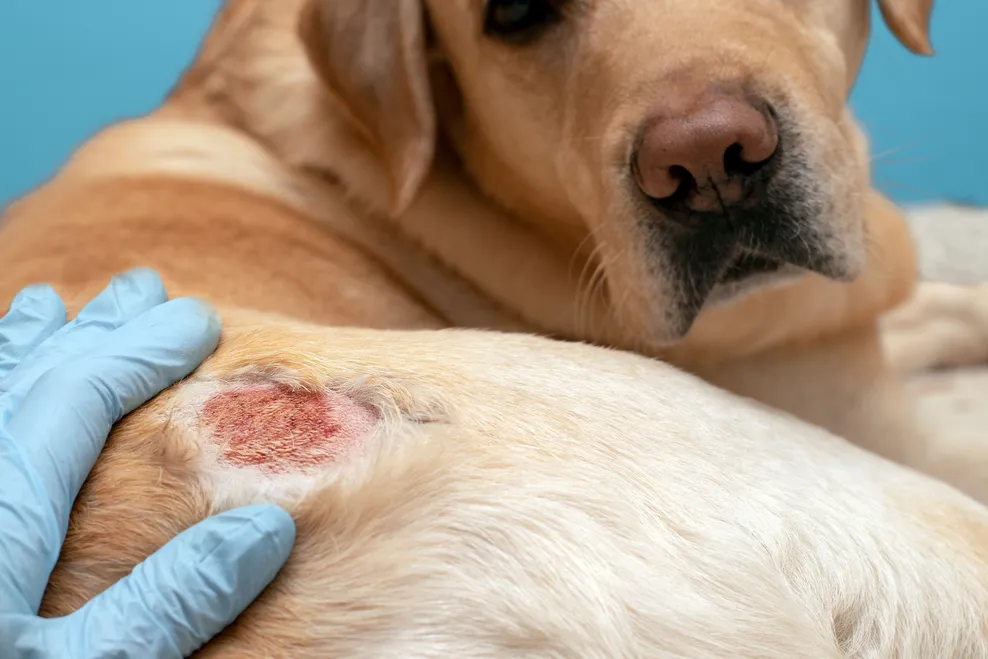
• Redness, swelling, or sores on the skin
• Itching or excessive licking
• Foul odor from the ears or skin
• Discharge from the eyes, nose, or ears
• Coughing, sneezing, or labored breathing
• Vomiting or diarrhea
• Lethargy and loss of appetite
If you notice any of these symptoms, schedule a visit with our veterinarians for a thorough examination.
How Are Pet Infections Diagnosed?
Our veterinarians use a combination of physical exams, laboratory tests, and imaging to diagnose infections. We may take skin or ear swabs, run blood tests, or perform cultures to identify the cause of the infection. If necessary, advanced diagnostic tools such as X-rays or ultrasound may be used to assess internal infections.
What Are the Most Common Skin Infections in Pets?
Pet dermatology is a key area of focus at our animal hospital. Skin infections, often caused by bacteria, yeast, or parasites, can result in hair loss, itching, and sores. Conditions such as hot spots, ringworm, and mange require prompt treatment to prevent discomfort and further spread. Our veterinarians can provide medicated shampoos, antibiotics, or antifungal treatments to address skin infections.
How Are Ear Infections Treated?
Ear infections are common in both dogs and cats and can be caused by bacteria, yeast, or ear mites. Symptoms include head shaking, scratching, and a strong odor from the ears. Treatment typically involves cleaning the ears and applying medicated drops. Chronic ear infections may require ongoing management, especially for pets prone to allergies.
Can Respiratory Infections Spread Between Pets?
Respiratory infections, such as kennel cough in dogs or feline upper respiratory infections, are highly contagious. These infections often cause coughing, sneezing, nasal discharge, and fever. Vaccinations can help prevent some respiratory infections, and early treatment can reduce the risk of complications.
What Can Be Done to Prevent Infections?
Preventive care is essential in reducing the risk of infections. Regular check-ups at our animal hospital, vaccinations, parasite control, and good hygiene practices can help keep your pet healthy. Proper wound care, a balanced diet, and routine grooming also play a role in preventing infections.
Contact a Veterinarian Near You
If your pet is showing signs of an infection or if you need preventive care, our experienced veterinarians at Danforth Animal Hospital in Edmond, OK, are here to help. We offer advanced diagnostic and treatment options to address a wide range of pet infections. Early detection and treatment are key to managing pet infections. Call Danforth Animal Hospital in Edmond, OK, at (405) 340-1020 to schedule an appointment with our veterinarians.